

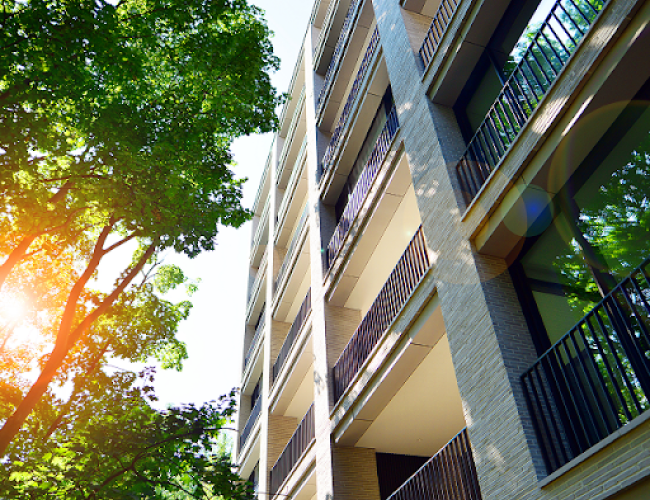
There is a feeling many people have had without being able to explain it. You walk into an apartment and something simply feels right. The light comes in generously. The space seems to breathe. There is a green area visible from the window, a common space that invites you to stay and a sense of calm that appears on no technical specification sheet.
And there is another group of apartments. Technically correct, within the standard, with the advertised floor area and beautiful finishes, but which, for some reason, seem poorly planned. The interiors are dark even during the day. The ventilation is stifling. The common areas are just corridors between the garage and the elevator.
The difference between these two apartments rarely lies in what appears in their technical specifications. It lies in how the project was conceived from the start, and this is exactly the kind of difference that Fitwel certification helps to structure, validate and make visible in a real estate development.
This content is not about technical standards. It is about how architecture (when designed with intention) changes your daily life, your mood, your health and, in the end, the perceived value of a property.
The home buying process has changed, and Fitwel has everything to do with it
For years, the decision script for buying an apartment followed almost always the same order: location, then price, then floor area, then finishes. Anything outside that list was treated as a “nice extra”: pleasant attributes, but of little relevance to the final decision.
This script still exists, but it is probably no longer enough for you. You carry experiences that have changed what you expect of a home. You worked from home for months, perhaps years, and felt first-hand what it is like to live in a poorly ventilated, poorly lit place with no breathing room. You came to value a walk outdoors, a green corner, a window that really opens onto something good.
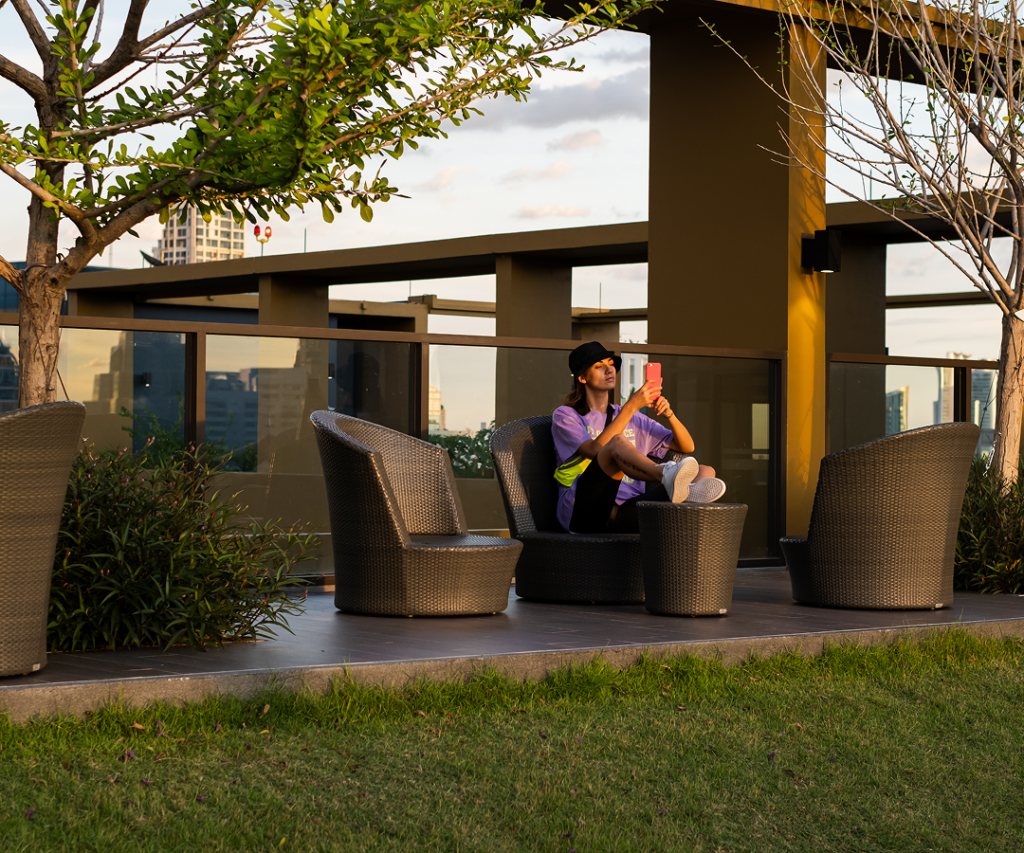
When you visit an apartment today, even without being able to say why, you feel that the place has a different energy. You notice that the building's entrance corridor does not look like a hospital corridor. You notice that the gym has real windows and is not an unventilated cube in the basement. You notice there is a shared area where people really talk and rest instead of just passing through.
This perception is not luck or a design coincidence. It is the result of design decisions made long before the first foundation was laid: decisions that the Fitwel method helps to structure, putting your experience at the center of the process and not treating it as a finishing detail.
Fitwel and what well-being in a space really means

When you say a place “has good energy”, you are in practice describing a sum of very concrete physical factors, even if intuitively.
Natural light is one of the most powerful. Spaces that receive sunlight throughout the day directly influence your mood, your energy and even the quality of your sleep at night, because they help regulate the body's biological clock. An apartment that makes good use of natural light changes the way you wake up, work and end your day.
Air quality is another factor you do not see but do feel. Well-ventilated spaces, with building materials that do not release harmful substances, make a real difference to your daily energy, especially if you suffer from allergies or simply spend many hours at home.
Access to green areas (even small ones) has an almost immediate effect on your stress level. A window with a view of vegetation, or a ground-floor garden where you can sit for a few minutes, are elements that help the body and mind relax after a busy day.
Then there is the question of movement. Spaces that encourage walking, climbing stairs with pleasure (and not out of obligation) and using a gym or a path within the development itself make physical activity a natural part of your routine, instead of one more item on your to-do list.
None of these elements, on its own, seems revolutionary. But when they are all considered together from the project's conception, the result is a place where your everyday life simply flows better. And that is exactly where the Fitwel method comes in.
Fitwel: a map for what you need but cannot name
The international Fitwel certification method works, in practice, as a system for organizing everything described so far. It did not invent these concepts. They have existed in human-centered architecture for a long time. What Fitwel does is turn these intentions into rules that guide design decisions from the first drawing.
This means that, in a development structured according to this logic, the position of the windows is not random: it is designed to capture natural light as well as possible throughout the day. Green areas are not “leftover spaces” on the site: they are planned as part of your experience of living there. The ventilation of indoor spaces, the choice of materials, the location of common areas, the design of circulation… all of this comes to be considered under the same central question: how will this space affect your days, every day?
It is important to understand one thing: Fitwel is not about luxury. It is not about adding more amenities to the sales list. It is about coherence. It is about being sure that the space where you will spend most of your life really contributes to your well-being, rather than simply not harming it.
For you, this translates into something simple: an apartment designed this way tends to seem better, work better and, above all, do you good over time, not just at the moment you visit the show apartment.
How the attributes organized by Fitwel really show up in your routine

It is easy to think of well-being as something abstract, distant, almost philosophical. But in practice it appears in the small moments of your day: those that, added together, define what it is like to live in a particular place.
It is your morning starting with light coming through the window, without having to turn on the lamp at 8 a.m. It is coming home from work and stepping straight into a green area on the ground floor, instead of crossing a dark hall to the elevator. It is deciding to walk to the building's gym because the way there is already pleasant, with windows, ventilation and light, and not a cramped, dull corridor.
It is also the subtle but real feeling that the air inside your home is clean, without the smell of paint or synthetic material that often stays for months in newly delivered apartments. It is sleeping better because your bedroom was positioned to avoid excessive noise and excessive heat from the afternoon sun.
Individually, each of these points may seem small. But multiplied by the 365 days of the year, they become the difference between a home that wears you out and a home that recharges you. And that is exactly the kind of difference you feel, even without being able to explain technically why.
Why this is a question of value (for you and for those who build)
There is an idea quickly taking hold in the real estate market: well-being is not just a benefit for those who live there. It is also a direct factor in property appreciation.
From your point of view as a buyer, an apartment designed with light, ventilation, green areas and quality of life in mind tends to provide a superior living experience, which over time translates into greater satisfaction, less desire to move and, consequently, greater appreciation on the resale market. What makes you want to keep living somewhere (or pay more to live there) is not only the floor area, but the quality of life it provides.
From the point of view of those who build, this perception of quality of life has become one of the main arguments for differentiation in an increasingly competitive market. When a development communicates (naturally and without exaggeration) that it was designed for your well-being, it is responding directly to what you are already looking for, even if intuitively.
The Fitwel method works, in this sense, as a kind of external validation of this design intention. It does not replace the experience, but it confirms that the feeling of “this place was designed for me” is no accident. It is design. It is method. It is care, translated into concrete architectural criteria.
And there is another point, perhaps even more important for you: developments structured with this care tend to age better. Well-ventilated, well-lit and well-planned spaces do not depend on passing fashions to remain pleasant: they are, by nature, more comfortable over time. This means less perceived wear, more predictable maintenance and a living experience that stays consistent years after you receive the keys.
What to look for from a Fitwel perspective on your next apartment visit
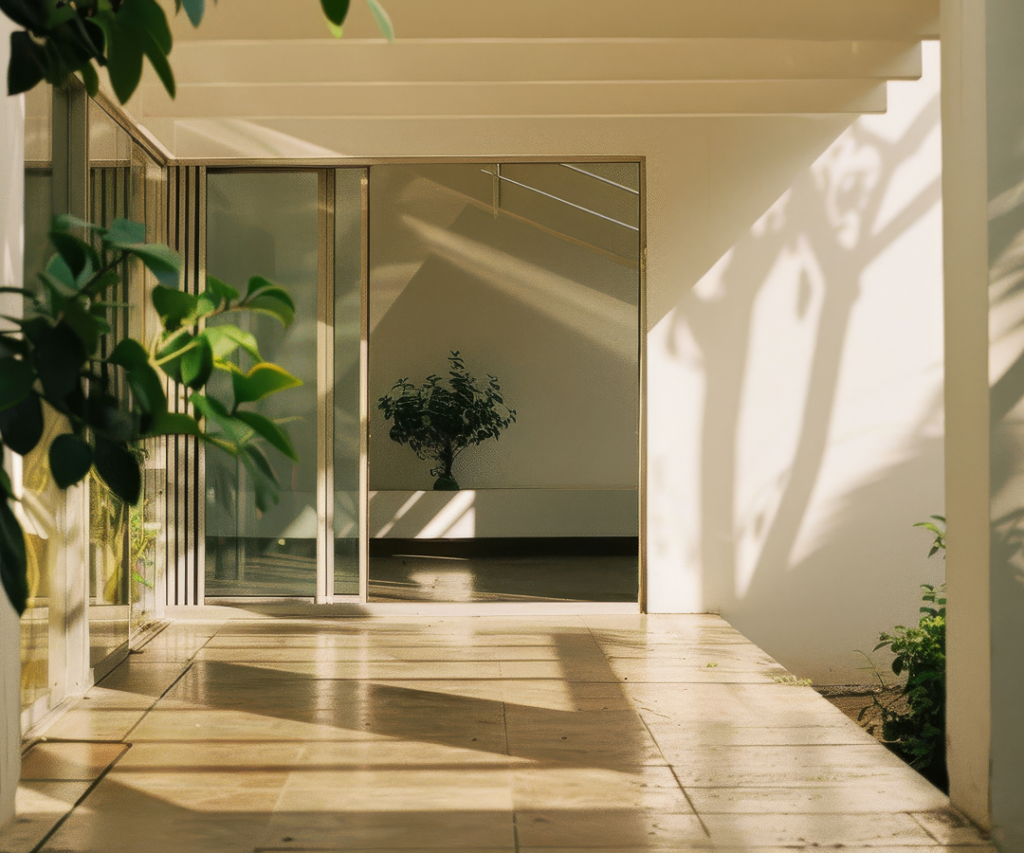
If there is an invitation in this content, it is this: the next time you visit an apartment (whether off-plan, in the show apartment or already finished), pay attention to things that go beyond what is written on the spec sheet.
Observe how light enters the rooms at different times of day. Ask about the natural ventilation of the rooms. Walk through the common areas and notice whether they invite you to stay or just to pass through. See whether there are green spaces and how they connect with the rest of the project. Feel the air. Feel the silence, or its absence.
These perceptions, added together, tell a story about the kind of life that space will give you. And, increasingly, it is exactly this story that should weigh in your purchase decision, if what you are looking for is not just a property, but a place to live well.
Conclusion: what you feel is part of the design, and it matters more and more
The great change happening in the real estate market is not about technology or passing trends. It is about recognizing that what you feel in a space is not too subjective to matter. On the contrary: it is exactly what should shape your purchase decision.
The Fitwel method represents this movement very clearly. It organizes, structures and validates something you may already have perceived intuitively, but could rarely explain in words. And in doing so, it helps turn a vague feeling of “this place seems good” into a more solid certainty: this place was designed for my well-being. And that has value.
If you are looking for a new apartment, this is an extra layer of attention worth taking to your next visit. And if you are building the next development, it is a clear sign that the market is already looking at this kind of care and recognizing its value.
Hygge: well-being as a strategic differentiator
The difference between a development that merely meets specifications and one that creates a real connection with the people who will live there lies, more and more, in this kind of invisible care: the kind you feel even before you can explain it.
If your company wants to structure this differentiator consistently, with recognized criteria and strategic communication, now is the right time to take this step.
Hygge specializes in structuring well-being as a design attribute, including the Fitwel method, from the initial planning stages to communicating value to the public. We work so that what makes a space genuinely good to live in (light, air, nature, movement, calm) also becomes a clear argument for differentiation and value for your development.
Want to understand how Fitwel can strengthen your development's positioning? Talk to Hygge.