

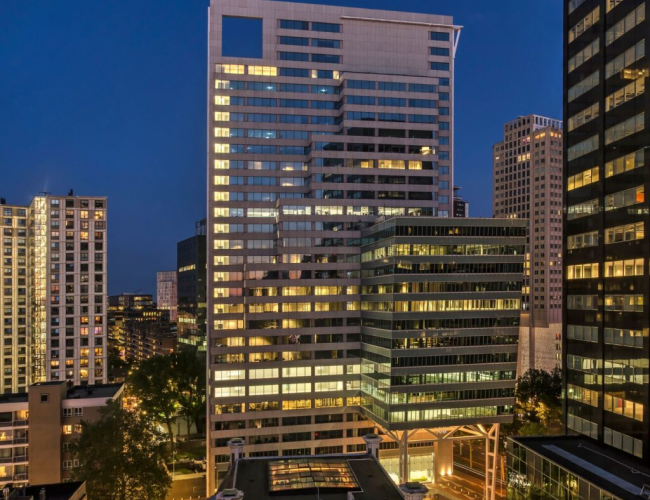
The high-end real estate market is going through a quiet but decisive shift. Developments are increasingly alike, sharing imposing facades, complete common areas, signature architecture and sophisticated finishes. What used to be a differentiator has become a given.
Prime location, generous floor area and a high construction standard remain relevant, but they no longer work alone as elements of distinction. Competition is no longer only about the physical product and has moved into the field of perceived value. In a scenario of abundant quality supply, differentiation has to be structured, not assumed.
The high-end buyer has also changed. They compare more, research more and question more. They analyze not only the square meter, but what it represents. When projects seem equivalent, the decision tends to shift to price, and that is when margin starts to come under pressure.
Breaking out of this cycle takes more than an advertising argument. It requires organizing attributes strategically, creating a differentiator that sustains positioning and justifies the ticket. In a homogeneous market, whoever best structures the value argument wins. Read on for more details!
Fitwel is the only seal that speaks directly to the buyer

In the high-end market, quality of life is no longer an aspirational promise and now influences purchase decisions. Today's buyer does not assess only the floor plan, the facade or the finish standard. They analyze the experience of living there as a central part of the investment.
Health, environmental comfort, natural light, proper ventilation, mobility and impact on well-being have taken center stage. Not as a conceptual trend, but as a selection criterion. What used to be a complementary talking point is now part of the product's value logic.
This movement directly changes the sales dynamic. Brokers need more consistent arguments, marketing needs a structured narrative and developers need to justify price clearly. When the differentiator is tangible and organized, the sales cycle shortens and the pressure for discounts falls.
In the premium market, well-built differentiation is not about aesthetics or campaigns. It is a margin protection strategy.
Fitwel certification for the high-end market as a commercial differentiator
For many years, health was treated in the real estate market as a complementary attribute: present in the discourse but rarely structured in the product. Ventilation, natural light and green areas appeared as desirable but generic qualities. The problem is that adjectives do not sustain price.
It is in this context that Fitwel begins to gain relevance in the high-end market. It is an international certification aimed at promoting health and well-being in developments, assessing aspects such as the quality of indoor environments, access to natural light, mobility, comfort and the encouragement of healthy habits. More than validating isolated characteristics, it organizes these attributes within a recognized criterion.
And it is precisely this organization that generates strategic value. By turning a subjective discourse into a structured criterion, the development gains argumentative strength. Health is no longer a broad promise and becomes a tangible part of the value proposition.
For marketing, this means narrative security. For the sales team, it means clarity in the argument. For the buyer, it means confidence in the decision. The conversation in the sales gallery evolves: instead of generic inspiration, an objective logic comes into play that sets the product apart.
In the high-end market, where projects compete at the same level of sophistication, it is not about having a seal: it is about structuring a strong argument that is a real differentiator.

Perception: differentiation in the premium market
In the premium segment, the contest is rarely settled by the spec sheet alone. When location, architecture and finishes reach similar levels, the differentiator stops being tangible and becomes interpretive. What is at stake is how the development is perceived, and how far this perception sustains the price.
High-end products compete on narrative. Real estate branding, in this context, is not an advertising campaign but the ability to build consistent positioning over time. Those who build a solid perception reduce commercial friction and protect their margin.
That is why health and well-being are starting to occupy strategic space in launches. Not as an aesthetic trend, but as a positioning axis. Projects that incorporate this attribute in a structured way communicate that they are up to date with the market, attentive to buyers' new priorities and have a long-term vision.
This construction directly affects the brand. Developers that integrate clear quality-of-life criteria into product development come to be seen as more innovative, more discerning and more in tune with market transformations.
In the end, the difference lies not only in what the development delivers, but in how it is interpreted. Those who sell best are not just those who build best: they are those who build the best perception.

How is the market using Fitwel certification in practice?
The movement has gone from trend to launch strategy. Developers that understood the shift in buyers' decision criteria have begun to structure health and well-being as a central part of the product. Not as a complementary detail, but as a competitive axis.
Launches that include certification in the teaser
High-end developments now present the certification in their very first promotional pieces. The logic is clear: position the project as different even before sales open. When it enters the teaser, health is no longer a secondary attribute and becomes a value premise.
Sales materials that highlight environmental quality
Brochures, presentations and sales galleries now organize the value proposition around comfort, natural light, ventilation, mobility and the experience of living there. These elements no longer appear as technical topics and now sustain the project's central narrative. The discourse is no longer only about luxury and is now about structured quality of life.
Brokers trained to talk about well-being

Sales teams are being trained to sustain this differentiator clearly. Instead of relying on generic adjectives, brokers work with objective criteria that explain design decisions and their impact on residents' routines. This raises the level of the conversation and reduces dependence on discounts as a closing tool.
Integrated strategy across product, marketing and sales
The real impact comes when these fronts are aligned. The product incorporates the criteria from conception. Marketing translates this into a structured narrative. Sales sustains the argument during the sales process. When there is integration, differentiation stops being rhetoric and starts to protect margin.
In the high-end market, differentiation is no accident. It is an intentional construction. And projects that structure health as part of the product demonstrate a more mature reading of the market, where perception not only influences value but defines competitiveness.
The impact on margin and the sales cycle

Far more than an aesthetic differentiator, Fitwel certification can have a direct impact on the financial results of developers that structure their launches with clear positioning. See how this plays out in practice:
- Less need for discounts: by organizing health and well-being as a structured part of the product, the development reduces the pressure to negotiate.
- Faster absorption: clear differentiation reduces indecision. Projects with a well-defined competitive axis tend to stand out more quickly, shortening the sales cycle and making revenue more predictable.
- Better justification of ticket: in the high-end market, price needs strategic support. When the product incorporates organized quality-of-life attributes, its value comes to reflect experience and positioning.
- Less direct price comparison: without a structured narrative, the development enters a linear contest with similar competitors. With a clear axis of differentiation, the comparison is no longer exclusively financial, reducing the pressure to match prices.
Is your next launch ready?
In an increasingly competitive market, health and well-being are no longer accessories. When finishes and location are already givens, what sustains differentiation is the product's strategic structure. Health and well-being stop being a complement and become part of positioning, narrative and sales argument.
The question is clear: is your launch structured to compete on price or on value? Does your sales team sustain the ticket with a consistent technical argument, or does it rely only on generic attributes?
Developers that have understood this movement use Fitwel certification as a positioning tool, organizing attributes, strengthening their discourse and protecting their margin. This is where Hygge comes in, connecting architectural engineering, sustainability and strategy to help you achieve your seal!
In the high-end market, the differentiator lies not only in the finishes, but in the strategic intelligence behind the product.
If your next launch needs to compete on value and not on discounts, it is time to structure this strategy. Contact us now!