Fitwel: the international certification that turns well-being into real estate value
Certified developments increase perceived value, strengthen positioning and raise competitiveness in the market.
Up to 18%
(DODGE DATA 2021)
Up to 25%
residential premium
(GLOBAL WELLNESS INSTITUTE)
Up to 18%
tenant retention
(MIT. 2021)
WE ARE









In the high-end market, superficial differentiation no longer supports price
For premium developers, certification directly impacts:
+4.6 – 4.8%
rent premium
+$55.26/m²
in added value
86%
of building owners are motivated to adopt health strategies.
87%
of institutional investors report growing demand for healthy buildings.
*Source: University of Cambridge, Center for Active Design
ABOUT HYGGE
Hygge is an architectural engineering and sustainability consultancy that specializes in turning developments into more valuable, healthy and efficient spaces.
We work strategically on Fitwel implementation, connecting health, well-being and real estate value to create real differentiation in the market.
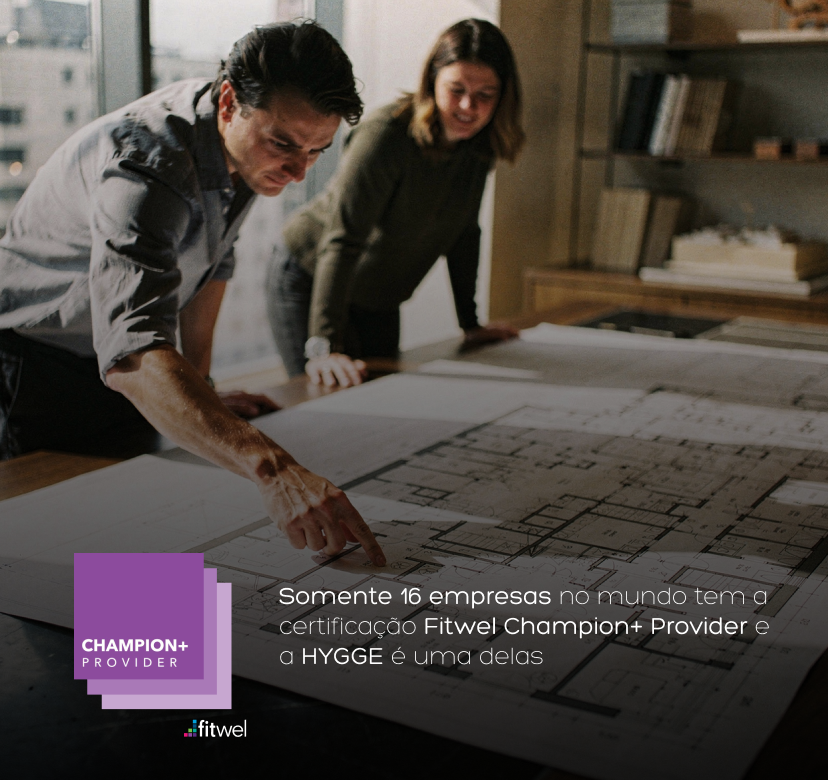
As a Fitwel Champion + Provider, we hold one of the highest partnership levels with the Center for Active Design, ensuring greater technical alignment, predictability and security in the certification process.
+900
Projects delivered
4
Countries served
Fitwel tailored to your development
The certification adapts to your building type:
- Sites
Planned neighborhoods, residential communities and industrial parks.
Focus on mobility, green areas, safety and healthy infrastructure.
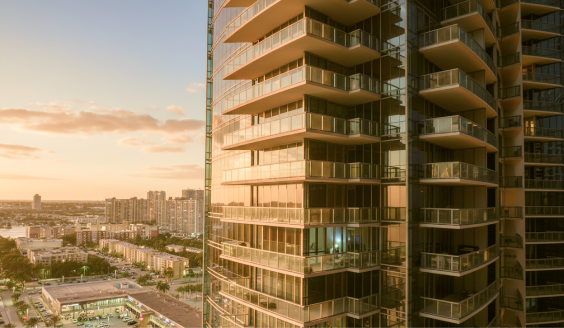
- Buildings
Residential, commercial, retail, senior living.
Focus on air quality, lighting, physical activity and well-being policies.
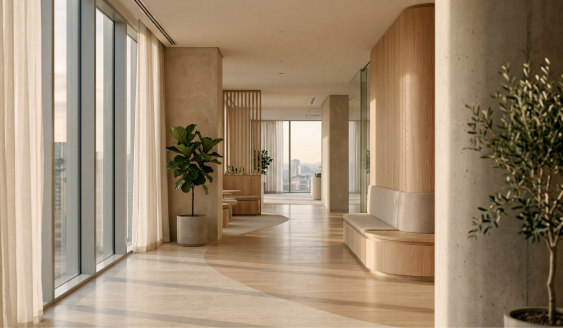
- Interiors
Corporate floors, clinics, coworking spaces and retail.
Ideal when you control only the interior.
Growth of Fitwel worldwide
- + 100 million m² certified
- +405% growth (2020-2021)
- 60+ countries served
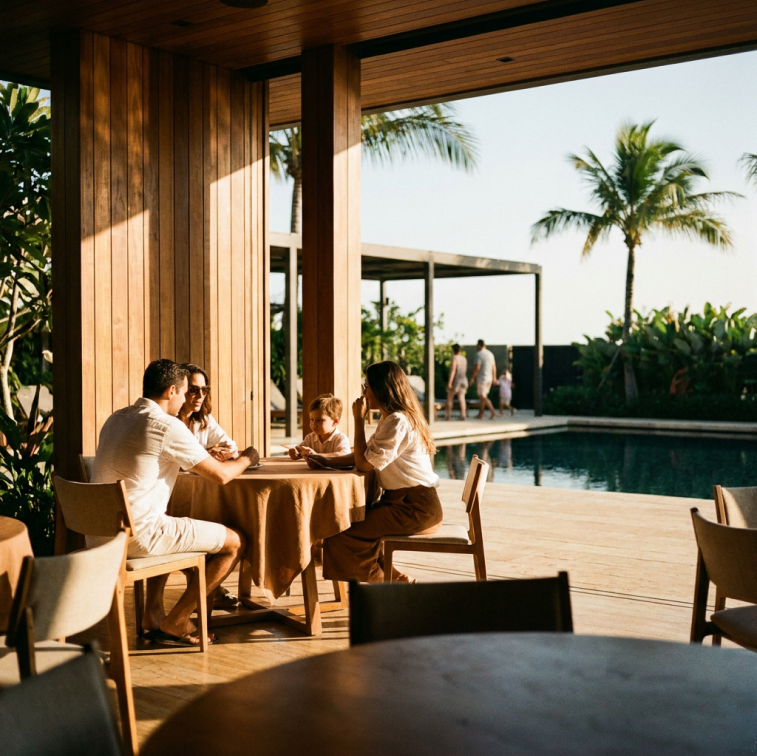
Your next launch can sell quality of life with scientific evidence
Today whoever decides the purchase looks at more than floor area or finish standard
The buyer assesses:
Air quality | Thermal comfort | Natural light | Impact on daily routine
Get a preliminary strategic assessment of your development's Fitwel potential
Response time: 1 business day
Frequently Asked Questions
STILL HAVE QUESTIONS?
What is Fitwel?
Fitwel is an international certification created to assess how spaces affect the health, comfort and quality of life of the people who use a development. Unlike certifications focused mainly on environmental efficiency or technical performance, Fitwel was developed with a focus on the human experience within spaces. The certification considers factors such as:
- Air quality
- Natural light
- Comfort
- Encouraging movement
- Well-being
- Shared spaces
- User experience
In practice, Fitwel helps developers structure projects that are better aligned with today's buyer behavior, strengthening perceived value and market differentiation.
Is Fitwel only for large developments?
Is Fitwel a sustainability certification?
Fitwel should not be understood merely as a “sustainability seal”. Although it includes points related to the built environment and the quality of spaces, the certification's main focus is on people and how they live, work and experience the development. While other certifications focus more on environmental efficiency, energy use and ecological impact, Fitwel mainly addresses attributes linked to:
- Health
- Well-being
- Comfort
- Quality of life
- User experience
That is why it speaks directly to the end buyer and strengthens the development's positioning in a way the market can more readily see.
What is the difference between Fitwel and other seals?
What is the difference between Fitwel and other seals? Each certification has different objectives. Some focus primarily on environmental sustainability and technical efficiency. Fitwel, on the other hand, was structured to assess how a development positively influences people's experience and well-being. In practice, this means Fitwel tends to have a more direct connection with:
- Perceived value
- Resident experience
- Product positioning
- Sales narrative
- High-end differentiation
In addition, Fitwel is usually easier for the end buyer to understand, because the benefits show up in everyday use of the development.
At what project stage should Fitwel come in?
Ideally, Fitwel should be considered at the early stage of the project. When the strategy comes in early:
- There is greater freedom of decision
- Less need for adaptation
- Lower risk of rework
- Greater potential for differentiation
When certification only comes in at the end of the process, many strategic opportunities have already been lost. That is why projects that consider Fitwel from the outset tend to get more value from the certification.
Does Fitwel help increase the development's value?
Developments that incorporate strategies linked to health and quality of life tend to strengthen their perceived value in the market. International studies point to links between healthy buildings and factors such as:
- Greater appeal
- Competitive differentiation
- Better perceived quality
- Rent premium
- Value per square meter
Beyond the numbers, there is one important factor: experience. Today's premium buyer does not assess only floor area or finishes. They look at how the development connects with their routine, comfort and lifestyle. Fitwel helps structure these attributes strategically.
Does my development have to be high-end?
Not necessarily. But Fitwel tends to have more impact on projects where:
- Differentiation influences sales
- Experience is part of the product proposition
- There is a drive for premium positioning
- The buyer has higher expectations
In the high-end market, attributes linked to quality of life are no longer complementary and have become part of what the market expects.