
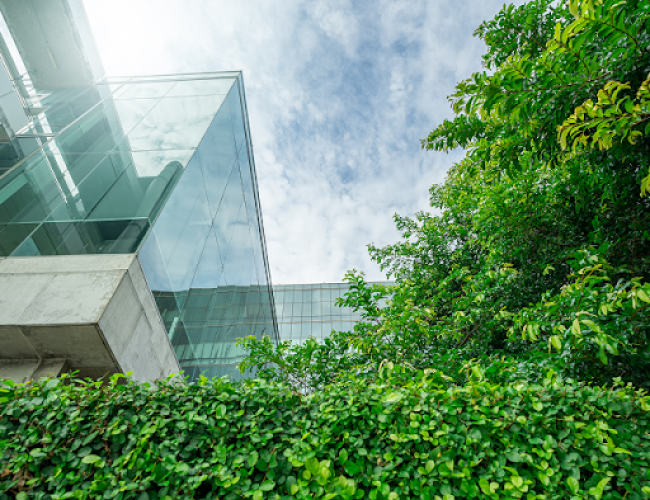
The high-end property buyer has changed, driven in part by what pandemic lockdowns revealed about people's relationship with the place they live. Suddenly, a home had to be more than an address. It had to be a place where you wanted to be. After that, finishes and location remained important, but they were no longer enough on their own. What buyers began to demand was something harder to fit into the equation: the real experience of living in that development. And that is exactly where landscaping firmly entered the real estate market's strategic conversation.
What had been treated for decades as a development's “add-on” came to occupy a different position: that of product. Designed gardens, tree-lined paths, reflecting pools, seating areas integrated with nature: none of this is an add-on. These are sales arguments, pricing factors and, increasingly, decisive criteria for buyers who have a choice.
When landscaping stopped being optional
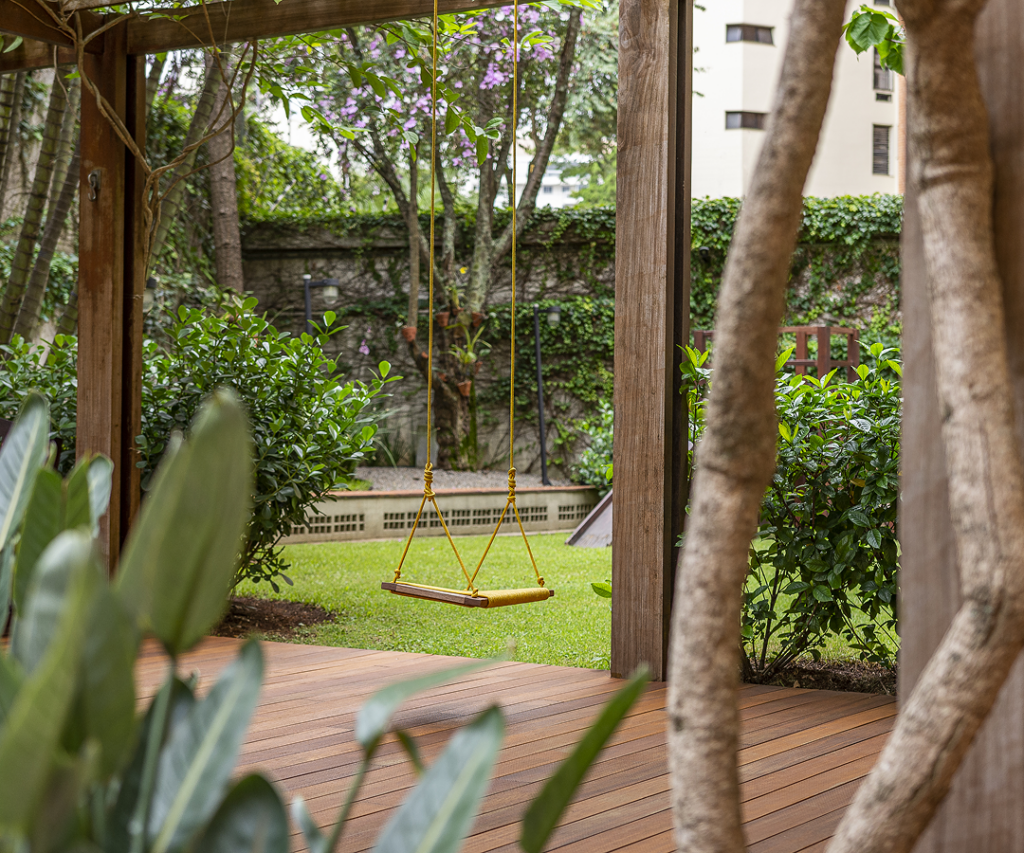
For a long time, landscaping in residential developments worked as a presentation layer: attractive for the sales gallery, discreet once the keys were handed over. But the behavior of high-end buyers signaled a clear break with this model.
The traditional equation of location, floor area and high-end finishes is no longer enough to attract the new buyer profile. In its place, values such as well-being, mental health, sustainability and connection with nature have emerged, and green areas in residential communities have come to be read through this lens.
As already mentioned, the pandemic accelerated this movement irreversibly. The home took on functions that were once dispersed (work, leisure, self-care), and the desire for healthier and more welcoming environments began to guide decisions previously driven only by other aspects. Green areas, in this context, are no longer a “plus” and have become essential attributes in contemporary projects, an invitation to social interaction, contemplation and physical and emotional balance.
The result is simple: developers that understood this change in behavior before their competitors got ahead. Those still treating landscaping as a secondary budget line are competing at a disadvantage in a market that has already repositioned green as a core product.
Green areas in residential communities: the real impact on perceived value
The connection between nature and real estate value is not an impression: it is data. Research by the Conecta Imobi platform indicates that the appreciation of developments that preserve nature can reach 30% compared with conventional ones. In addition, a Global Garden Report study revealed that 63% of respondents are willing to pay more for an apartment in an area with good green spaces, in search of quality of life.
These numbers have a name in the market: perceived value. And perceived value is exactly what distinguishes the price per square meter of two technically equivalent developments. High-end buyers are not insensitive to figures, but they are willing to pay them when they see an experience that justifies the investment.
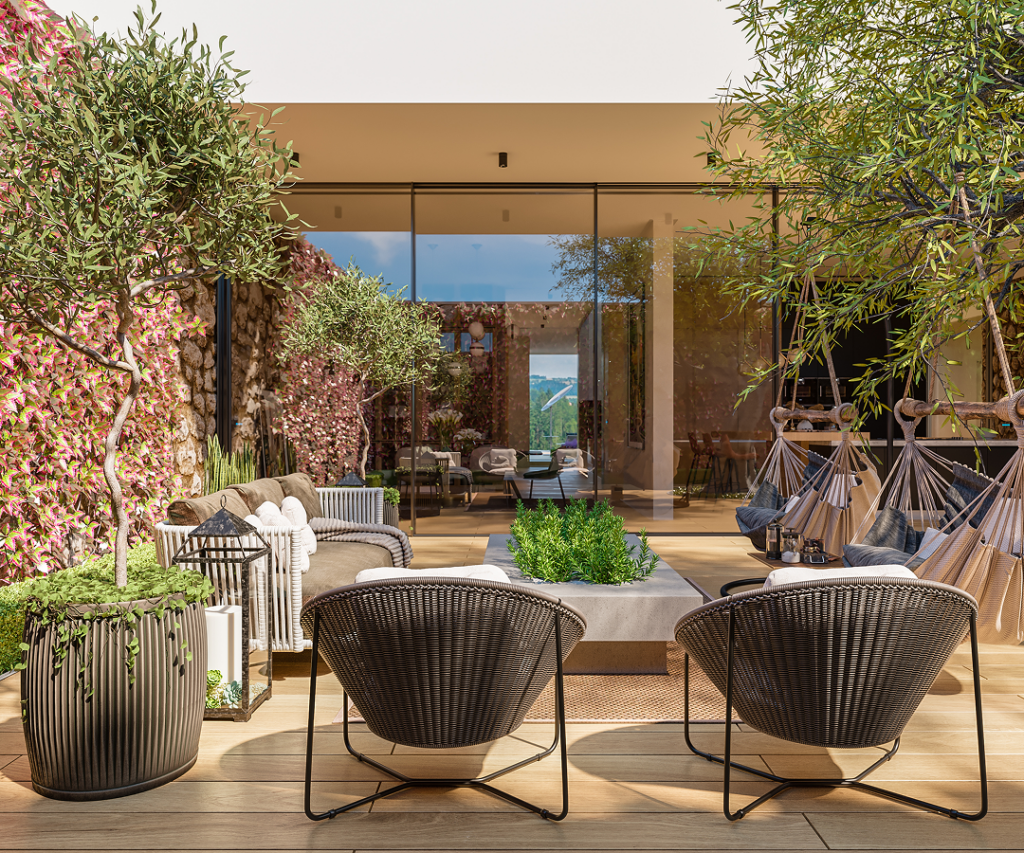
Green environments reduce stress, improve air quality and offer opportunities for moments of contemplation and social interaction. In luxury projects, gardens can be conceived as extensions of the apartments. Places to read, relax, gather friends or simply contemplate nature. When a common space delivers this kind of experience, it stops being a shared cost and becomes a closing argument.
From garden to sales argument: how landscaping became a strategy
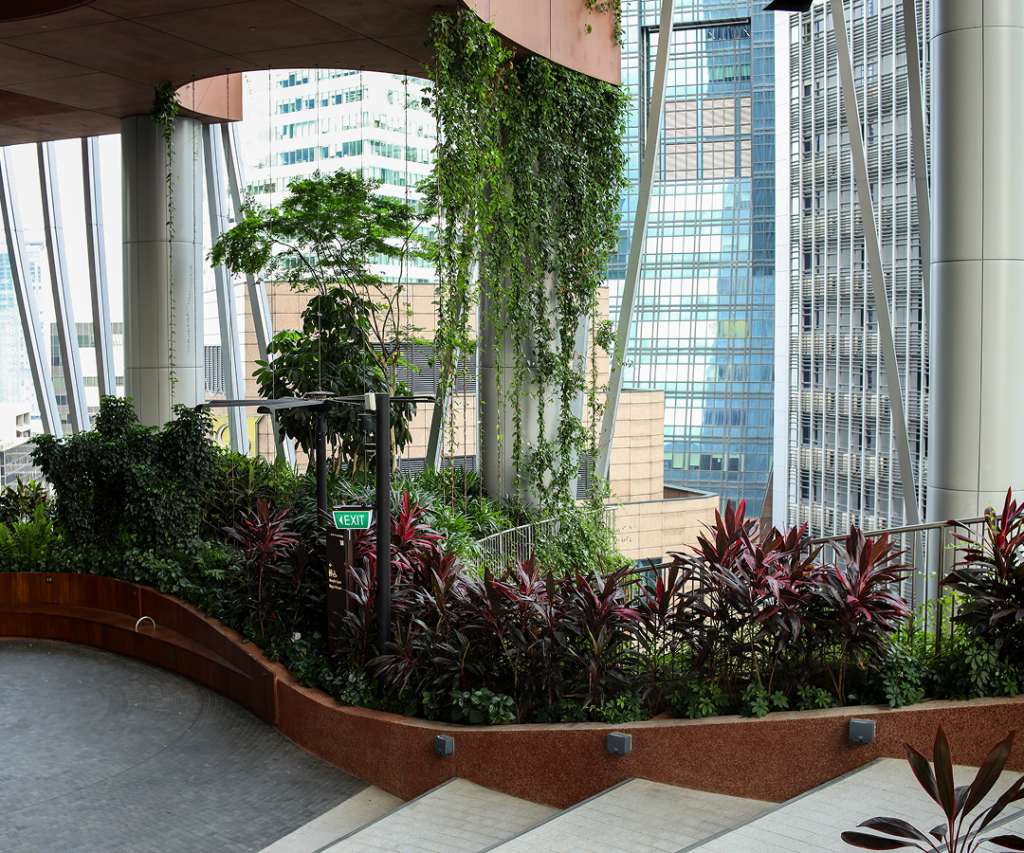
There is a fundamental difference between a project that has gardens and a project that uses landscaping as a strategic differentiator. The first fills space. The second builds a narrative, and that narrative directly influences the purchase decision.
Landscaping has become an essential factor in property appreciation, especially in high-end developments. What used to be seen merely as an aesthetic element is now recognized as a strategic differentiator, directly influencing perceived value, quality of life and even a property's pricing.
Developers that understand this repositioning do not design green areas once the development is finished. They conceive the green together with the site plan, the program of requirements and the sales discourse. Landscaping is no longer the responsibility of a landscape architect who comes in at the end of the process and becomes part of the brief from the first sketch.
So-called “green luxury” has emerged, a trend among high-end builders that incorporate distinctive landscaping projects into their properties, bringing nature into their developments. And buyers notice the difference. Not because of the name of the signature landscape designer, but because of how the space feels and the quality of what they experience even before signing the contract.
What the high-end buyer is assessing (and you may not be communicating)
There is a recurring gap in the premium real estate market: the development has the right attributes, but its communication still talks about gardens when it should talk about experience. The qualified high-end buyer is not buying square meters of green area: they are buying quality of life in the property, and this difference matters when building sales arguments.
The latest trends in the high-end property market show a new way of looking at luxury: less focused on ostentation and more focused on quality of life, well-being, sustainability and personalization.
When a couple visits a development and walks through a ground floor with integrated gardens, shaded social spaces and areas that invite them to stay, the decision process has already begun emotionally. The rational part comes later, but the anchor was planted there, in the common space, in the feeling that the place delivers something beyond the apartment itself.
Integration with nature (large balconies, vertical gardens and views of green areas) has become a structural element of the design, not merely a decorative one. Developers that can communicate this clearly are selling faster, with less negotiating effort, to a more qualified buyer profile.
Fitwel and the framework that organizes these attributes
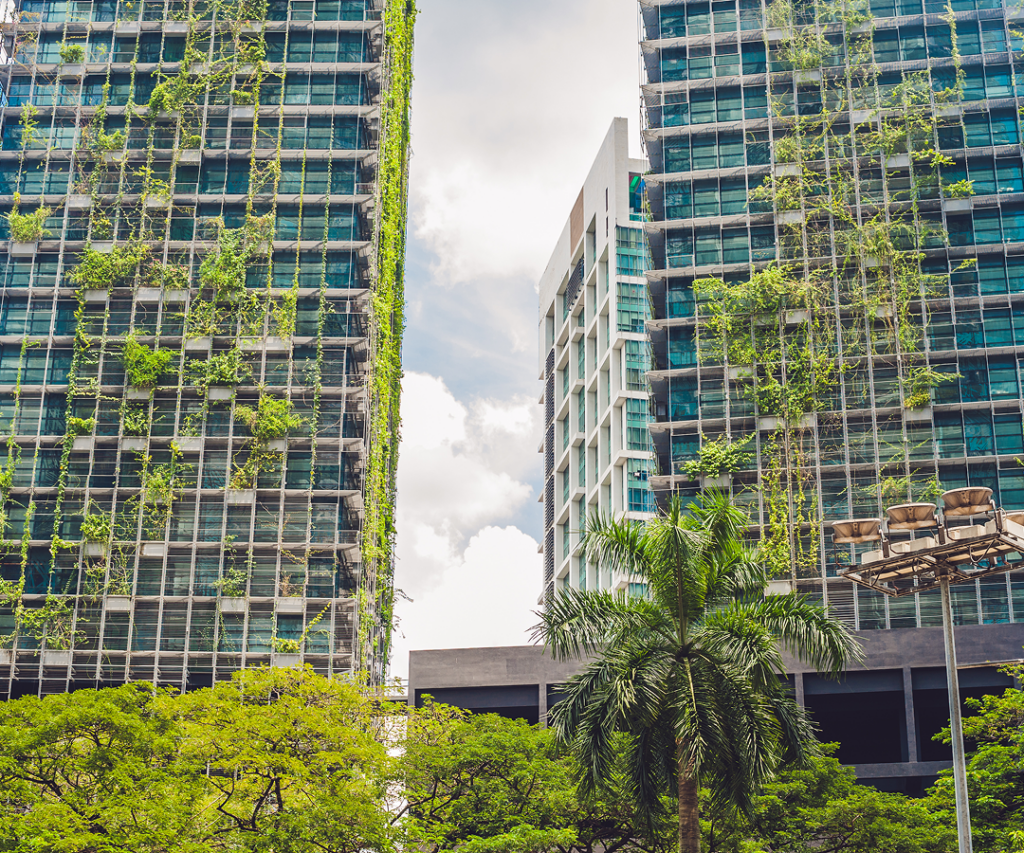
The high-end market has moved beyond good intentions. Today there is a structured methodology to ensure that a development's well-being attributes are planned, organized and communicated consistently, and the differentiator in the real estate market increasingly depends on adopting this type of approach from the project's conception.
Fitwel works as a method for structuring the real estate development around the resident's well-being. Instead of treating health, comfort and connection with nature as brochure promises, it offers a system of criteria and strategies that guide design decisions, from the layout of common areas to how green spaces integrate with the experience of those who will live there.
For developers, this changes the game in at least two ways. First, because it turns intention into structure: what used to be “let's make a beautiful garden” becomes a decision grounded in how that space will affect perceived value and the resident's experience. Second, because it generates a consistent sales argument: a launch structured around Fitwel has a more solid sales discourse, one harder to compare directly with the competition and more aligned with what the qualified high-end buyer is really looking for.
Integrated green areas, social spaces planned for real use and environments that encourage movement and contemplation stop being “differentiators mentioned on the floor plan” and take on a defined place in the strategy. For those developing premium projects, this is the kind of structure that not only justifies the price: it sustains it throughout the sales cycle.
Conclusion: common areas are the product, not the context
The question every high-end developer should ask when reviewing the design of common spaces is not “does this look good?”. The right question is: is this selling?
Well-conceived landscaping is one of the most powerful levers of differentiation available to the premium real estate market. Not because buyers want a garden, but because they want to know that the development was designed for their life, not just for the building envelope. Developers that see this distinction get ahead. Those that still treat common areas as context, and not as product, risk competing at a level the high-end market has already left behind.
Hygge: structure the real differentiation of your next launch
The difference between developments that lead the premium market and those that compete on price almost always lies in the ability to turn real attributes into perceived value, and perceived value into sales speed. If your next launch has the right attributes but has not yet found a way to communicate them clearly and strategically, it is time to rethink this front.
Hygge specializes in structuring Fitwel within the launch strategy of high-end developments. This means translating the method's criteria and guidelines into product discourse, sales narrative and content that communicates well-being as a sales argument. In practice, we work so that Fitwel stops being an internal planning framework and becomes visible to the right buyer: the one who values quality of life, recognizes real differentiation and is willing to pay for a product truly designed for their way of living.
From positioning the launch to building the content that educates and prepares qualified buyers throughout the decision journey, Hygge ensures that your development's attributes reach the market with the strength they deserve.
Want to assess how to structure the real differentiation of your next launch? Talk to Hygge.